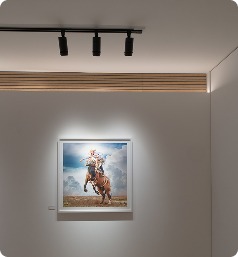
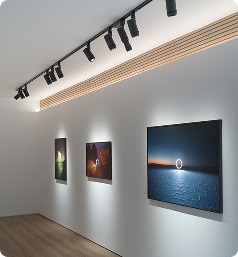
Abstract canvas illuminated with precision LED beam
Modern art light is not simply about illumination. It is about interpretation, perception, and preservation. In professional environments such as galleries, museums, and high-end private collections, lighting is treated as an extension of the artwork itself. The wrong lighting can flatten texture, distort color, and reduce the emotional impact of a modern piece. The right lighting elevates it, revealing depth, materiality, and artistic intent exactly as it was meant to be experienced.
For collectors, curators, architects, and designers, this complete guide to modern art lighting for galleries and collections explores why this field is a specialised discipline. Unlike decorative lighting, it is engineered to enhance visual accuracy, protect artworks, and create a controlled viewing experience. This is why modern art gallery lighting and museum-grade lighting systems are fundamentally different from standard residential lights.
What Is Modern Art Light?

High CRI LED fixture mounted on gallery track
Modern art light refers to professional lighting systems for modern art displays specifically designed to illuminate contemporary and modern artworks with precision, color accuracy, and controlled beam focus. These systems are typically used in galleries, museums, luxury homes, and curated exhibition spaces where the artwork is the focal point of the environment.
Modern art lighting prioritises:
- High color rendering (CRI 90+ to 97+)
- Controlled beam angles
- Minimal UV and IR emission
- Glare reduction
- Adjustable positioning
- Consistent illumination across artworks
Unlike general lighting, modern art lights are not designed to brighten a room. They are designed to highlight the artwork without overpowering it.

4.9-Star Google Review for Our Art Lighting Solutions
Why Lighting Is Critical for Modern Art

Focused illumination revealing layered mixed media
Modern art often relies heavily on texture, abstract color relationships, layered materials, and subtle tonal shifts. Poor lighting can completely alter how a piece is perceived. A painting lit with incorrect color temperature may appear dull, overly warm, or artificially cool, changing the viewer’s emotional interpretation.
Professional modern art lighting ensures:
- True color representation
- Shadow control for textured works
- Depth enhancement for abstract pieces
- Visual clarity without hotspots
This is especially important for collectors with high-value artworks where presentation directly impacts both aesthetic experience and perceived value. Understanding the benefits of LED lighting for modern art—such as its ability to provide high color rendering without the heat of traditional bulbs—is essential for any serious collection.
Modern Art Lighting vs Traditional Art Lighting
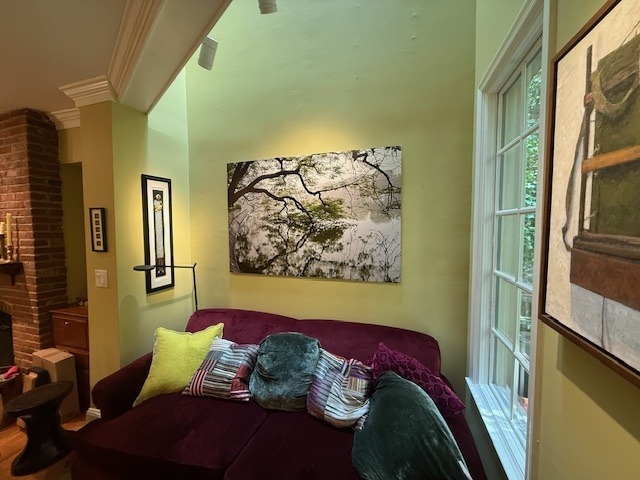
Warmer classical lighting beside modern art example
Traditional art lighting often focused on classical paintings with softer, warmer illumination. Modern approaches to lighting art, however, require more technical precision. Contemporary artworks may include mixed media, reflective surfaces, neon elements, or minimalist compositions that demand highly controlled lighting.
Modern art lighting typically uses:
- Narrow beam spotlights for focused works
- Adjustable track lighting for flexible layouts
- Museum-grade fixtures for conservation
- Neutral white color temperatures (3000K–4000K)
This level of control is why modern art museum lights and gallery lighting systems are engineered differently from decorative fixtures.
Modern Art Gallery Lighting Techniques
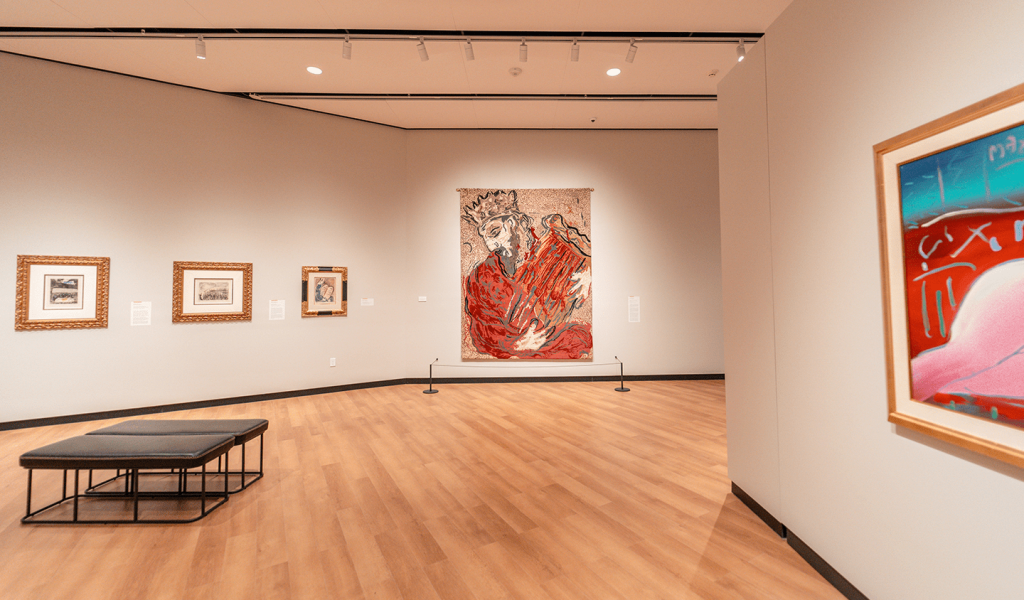
Track lighting aligned across modern gallery wall
Professional galleries use layered lighting strategies to create a refined and immersive viewing environment. The goal is not just visibility but visual storytelling.
Key techniques include:
- Accent lighting to highlight individual pieces
- Wall washing for larger modern installations
- Adjustable spotlighting for rotating exhibitions
- Consistent lux levels across display walls
Gallery lighting must remain flexible because exhibitions change. This is why adjustable track-based modern art lighting systems are the industry standard in professional gallery environments.
Museum Lighting for Modern Art

Precision lighting protecting high-value modern artwork
Museums operate at an even higher standard than galleries due to conservation requirements. Modern artworks, especially mixed media and delicate materials, require controlled light exposure to prevent long-term damage.
Museum lighting for modern art focuses on:
- Low UV emission to protect pigments
- Stable light output over time
- Precision beam control for sensitive works
- Non-invasive mounting solutions
Museum-grade fixtures are engineered to balance preservation and presentation. By implementing modern high-CRI lighting for contemporary artwork, institutions ensure that pieces remain protected while maintaining the true color integrity and visual depth intended by the artist.
Types of Modern Art Lighting Systems

Lighting systems installed in contemporary gallery
Track Lighting for Modern Art
Track lighting is the most widely used system in galleries and museums because of its flexibility and precision. It allows lighting consultants to reposition fixtures as collections evolve.
Spotlight Lighting for Modern Art
Spotlights are used to create focused illumination on individual artworks, especially abstract or statement pieces that require visual emphasis.
Ceiling-Mounted Art Lighting
Used in minimalist architectural spaces where discreet, high-performance lighting is required without visual clutter.
Wall-Mounted Art Lighting
Ideal for modern wall art in curated residential and gallery settings where directional lighting enhances depth and texture.
Professional Modern Art Lighting Systems Used by Collectors and Galleries

Museum-grade lighting installed in private collection
In high-end environments, lighting is not chosen randomly. It is specified. Professional lighting consultants often recommend specialised systems designed specifically for artwork illumination.
Advanced systems such as precision zoom lighting, multi-directional adjustable lighting, and museum-grade deluxe fixtures are commonly used in modern art collections because they provide:
- Adjustable beam angles for different artwork sizes
- High CRI for accurate color rendering
- Discreet architectural integration
- Long-term reliability in exhibition environments
Precision zoom lighting is particularly effective for modern art pieces that require exact beam shaping, especially in glass cabinets or focused installations. Multi-adjustable lighting systems are preferred in galleries where layouts frequently change. Deluxe museum-grade lighting systems are typically specified for high-value collections and institutional projects where visual performance and preservation are equally critical.
How to Light Modern Wall Art Professionally

Glare-free lighting over framed modern art
Lighting modern wall art requires careful positioning and beam control. Several key considerations when lighting contemporary artwork include maintaining a 30-degree mounting angle and ensuring even illumination to prevent distracting glare or shadows from obscuring the piece.
Best practices include:
- Position lights at a 30-degree angle
- Use high CRI lighting (95+ preferred)
- Avoid direct overhead glare
- Maintain consistent spacing between fixtures
- Match color temperature to artwork tone
Neutral white lighting (3000K–3500K) is generally considered ideal for modern art as it preserves color integrity without adding unwanted warmth or coolness.
Color Temperature and Modern Art Perception

3000K lighting warming textured abstract painting
Color temperature plays a critical role in how modern art is experienced. Cooler temperatures can make colors appear sharper and more clinical, while warmer tones may soften contrast and alter artistic intent.
Recommended ranges:
- 3000K: Warm neutral, ideal for textured modern art
- 3500K: Balanced and gallery-standard
- 4000K: Crisp and suitable for contemporary installations
Lighting consultants carefully select color temperature based on the artwork’s palette, medium, and display environment.
Common Mistakes in Modern Art Lighting
One of the most common errors is using generic decorative lighting instead of specialised art lighting. This leads to uneven illumination, color distortion, and visual fatigue.
Other mistakes include:
- Using low CRI lights
- Over-lighting the artwork
- Incorrect beam angles
- Inconsistent lighting across collections
- Using battery-powered decorative lights instead of professional systems
High-value modern art deserves purpose-built lighting, not general ambient fixtures.
Lighting Design for High-End Modern Art Collections
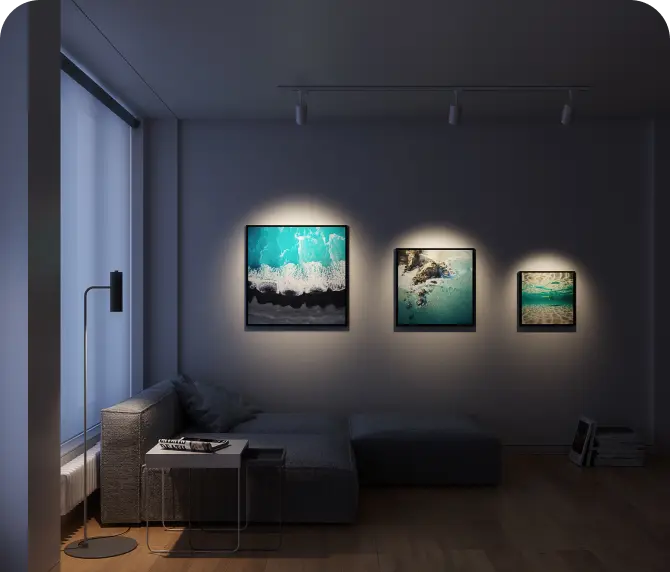
Architectural lighting integrated into luxury residence
Private collectors increasingly approach lighting with the same level of precision as galleries. A curated lighting plan enhances not only the artwork but the architectural experience of the space.
A professional lighting design typically includes:
- Artwork analysis
- Beam angle planning
- Fixture specification
- Lux level calibration
- Visual mockups or lighting plans
This is why many serious collectors invest in dedicated art lighting systems rather than standard residential lighting solutions.

The Future of Modern Art Lighting

Ultra-compact precision fixture in minimalist space
As modern art continues to evolve, lighting technology is becoming more advanced and specialised. Smart dimming, tunable white lighting, and precision optical control are shaping the future of contemporary art display.
Museums and high-end galleries are increasingly adopting:
- Adjustable spectrum lighting
- Flicker-free LED technology
- Ultra-high CRI systems
- Custom beam optics for installations
These advancements allow lighting to adapt to different exhibitions, mediums, and artistic styles without compromising visual integrity.
Conclusion: Modern Art Light as a Professional Discipline

Museum-quality beam shaping modern exhibition
Modern art light is not a decorative choice. It is a professional discipline that combines technical precision, artistic sensitivity, and architectural integration. Whether in a museum, gallery, or private collection, the right lighting system transforms how modern art is perceived and experienced.
Collectors, curators, and designers who prioritise proper modern art lighting consistently achieve superior visual outcomes, stronger emotional engagement, and long-term artwork preservation.
FAQs About Modern Art Light
1. What is the best lighting for modern art?
High CRI LED lighting with adjustable beam control and neutral color temperature (3000K–3500K) is considered best for modern art.
2. How do galleries light modern art?
Galleries use adjustable track lighting and precision spotlights to create controlled, even illumination across artworks.
3. What lighting do museums use for modern art?
Museums use museum-grade LED lighting with low UV output, high CRI, and precise beam shaping to protect and enhance artworks.
4. Is LED lighting safe for modern art?
Yes, high-quality LED lighting with low UV and IR emission is safe and widely used in galleries and museums.
5. What CRI is best for modern art lighting?
A CRI of 90+ is recommended, with 95+ preferred for accurate color rendering in high-value art collections.
6. What color temperature is ideal for modern art?
3000K to 3500K is typically ideal as it preserves true colors without distortion.
7. Can lighting change how modern art looks?
Yes, poor lighting can significantly alter color perception, texture visibility, and emotional impact.
8. How bright should modern art lighting be?
Typically between 150–300 lux depending on the artwork’s sensitivity and display environment.
9. Where should lights be placed for modern art?
Lights should be positioned at approximately a 30-degree angle to minimise glare and shadows.
10. Is track lighting good for modern art?
Yes, track lighting is the industry standard due to its flexibility and precision.
11. What type of fixtures are used in modern art galleries?
Adjustable track lights, spotlights, and museum-grade art lighting fixtures are most commonly used.
12. Can modern art be lit from below?
Generally no, as under-lighting can distort perception and create unnatural shadows.
13. How do you avoid glare on modern art?
Use anti-glare optics, correct beam angles, and high-quality professional fixtures.
14. Is ceiling lighting suitable for modern art?
Yes, if it is directional and specifically designed for artwork illumination.
15. Do collectors use professional art lighting?
Serious collectors and high-end designers almost always use specialised art lighting systems.
16. What is museum-grade art lighting?
Lighting specifically engineered for conservation, precision illumination, and long-term artwork protection.
17. Can lighting damage modern art?
Excessive UV exposure and poor-quality lighting can cause long-term damage to artworks.
18. Should modern art be evenly lit?
Yes, even illumination ensures the artwork is viewed as intended without visual imbalance.
19. How important is lighting in modern art display?
Lighting is one of the most critical factors influencing how modern art is perceived.
20. What beam angle is best for modern art?
Narrow to medium beam angles (15°–40°) depending on artwork size and distance.
21. Is warm or cool light better for modern art?
Neutral white lighting is generally best for accurate color representation.
22. Can you use decorative lights for modern art?
Decorative lights are not recommended for serious art display due to poor color accuracy.
23. What lighting do contemporary art museums use?
High-precision LED track lighting with adjustable optics and high CRI ratings.
24. Does lighting affect art value perception?
Yes, professionally lit artworks appear more refined and valuable to viewers.
25. How do designers choose modern art lighting?
They assess artwork size, medium, wall height, and desired visual impact.
26. What is the difference between art lighting and regular lighting?
Art lighting is precision-focused, while regular lighting is designed for general illumination.
27. Can modern wall art be lit at home professionally?
Yes, using specialised art lighting systems similar to those used in galleries.
28. Do modern art installations require different lighting?
Yes, installations often require customised lighting design based on materials and scale.
29. Is dimmable lighting important for modern art?
Yes, dimming allows precise control over brightness and viewing experience.
30. Why do luxury galleries invest in specialised art lighting?
Because lighting directly enhances presentation quality, artwork preservation, and overall visitor experience.
Real Feedback from Art Collectors